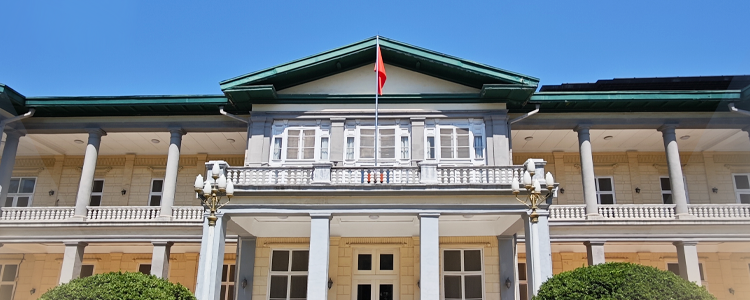


The Global Center for Mekong Studies (GCMS) is an important platform for cross-border think tank cooperation under the Lancang-Mekong Cooperation (LMC) framework. It was officially established on Sept 28, 2017, in Phnom Penh, Cambodia. The GCMS aims to build a think tank network among the six Lancang-Mekong countries, promote academic exchange and cooperation, serve as a bridge among governments, academia, and the public sector, and provide intellectual support for the LMC.
The GCMS consists of six national sub-centers, respectively based in:
1. China Institute of International Studies (CIIS) (China)
2. Asia Vision Institute (AVI) (Cambodia)
3. Institute of Foreign Affairs (IFA) under the Ministry of Foreign Affairs of the Lao People's Democratic Republic (Laos)
4. Myanmar Institute of Strategic and International Studies (MISIS) (Myanmar)
5. Devawongse Varopakarn Institute of Foreign Affairs (DVIFA) under the Ministry of Foreign Affairs of Thailand (Thailand)
6. Diplomatic Academy of Vietnam (DAV) (Vietnam)
As the coordinators of the GCMS in their respective countries, each national sub-center is responsible for coordinating with other domestic institutions to participate in activities related to the GCMS and facilitating communication between the academic community and political circles in its country.
Regular annual activities include conducting joint research and holding the GCMS Think Tank Forum. Coordinators, government representatives and scholars from Lancang-Mekong countries and other ASEAN countries are invited to discuss issues concerning the LMC and regional development.
The five Mekong countries-based centers take turns to serve as co-chair with the China Center each year to jointly advance the GCMS’s annual work plan. The China Center also convenes seminars on the LMC, inviting relevant domestic government agencies and experts and scholars for exchanges.
Since its establishment, the GCMS has adhered to the spirit of mutual respect, consultation and mutual understanding as well as the concept of openness and inclusiveness. It has extensively engaged global research forces focusing on the Lancang-Mekong region to participate in the GCMS’ activities, and established partnerships with other relevant regional or international institutions. While making continuous progress in improving its institutional development, the GCMS has also provided important intellectual support for promoting the sound development of the LMC and building a closer community with a shared future for Lancang-Mekong countries through practical actions.